
What Seniors and Families Should Know Before a Crisis
 What Seniors and Families Should Know Before a Crisis
Planning for the future isn’t just about documents — it’s about protecting your family, your home, and your peace of mind.
For many Connecticut seniors and their adult children, probate and estate planning only become real after a loss or health event. Unfortunately, that’s when decisions are hardest, emotions are highest, and mistakes are most costly.
This guide explains — in plain English — how probate works in Connecticut, what can be planned ahead, and why real estate plays such a critical role in the process.
What Is Probate in Connecticut?
Probate is a court-supervised legal process that takes place after someone passes away. Its purpose is to make sure assets are handled properly and debts are paid before property is distributed.
- All wills must go through probate
- Probate takes place in the town where the person lived
- Probate records are public
- The Probate Court oversees the process, including real estate sales
Probate exists to protect people — but it can also be time-consuming, emotional, and expensive without proper planning.
With a Will vs. Without a Will
If someone passes away with a valid will, their wishes guide how assets are distributed.
If someone passes away without a will (called intestate), Connecticut law decides.
- For married individuals with children:
- The surviving spouse receives the first $100,000
- The remaining estate is split between the spouse and children
This outcome may not reflect what families expect — or what the person would have wanted.
What Assets May Avoid Probate?
Not everything has to go through probate if it’s structured properly. Assets that may pass directly to beneficiaries include:
- Retirement accounts with named beneficiaries
- Life insurance policies
- Bank accounts with Pay-on-Death (POD) or Transfer-on-Death (TOD)
- Property owned jointly with right of survivorship
One outdated beneficiary designation can override an entire estate plan — reviews matter.
Executors, Administrators & the Reality of the Role
The person responsible for handling an estate is either:
- An executor (named in a will), or
- An administrator (appointed by the court if no will exists)
Their responsibilities include:
- Gathering assets
- Paying debts and taxes
- Managing and selling real estate
- Meeting court deadlines
- Communicating with heirs
It’s often a full-time job during a deeply emotional period.
Real Estate in Probate: Why Experience Matters
Selling a home through probate is not the same as a traditional sale. Probate real estate often requires:
- Court permission to sell
- An appraisal or date-of-death valuation
- Court approval of the purchase contract
- Potential court-supervised overbidding
Delays can lead to:
- Increased carrying costs
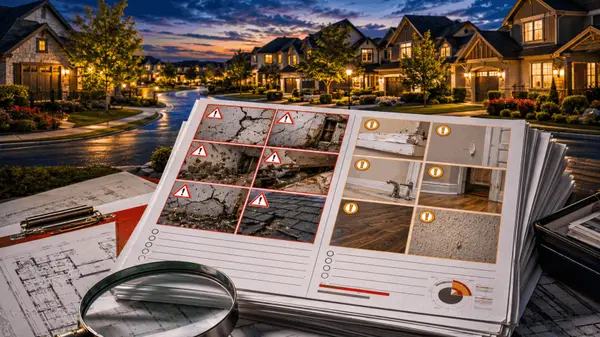
- Property deterioration
- Family conflict
- Reduced estate value
Working with a probate-experienced real estate professional helps protect both value and timelines.
Trusts: A Tool for Privacy and Simplicity
Trusts are commonly used to:
- Reduce or avoid probate
- Keep family matters private
- Protect beneficiaries
- Reduce conflict
Common types include:
- Living (revocable) trusts
- Irrevocable trusts
- Special needs trusts
- Spendthrift trusts
Trust assets generally do not go through probate.
Planning for Pets
Pets are legally considered property and cannot inherit assets. Connecticut allows pet trusts, which:
- Provide care if you become incapacitated or pass away
- Appoint a trustee and trust protector
- Ensure funds are used appropriately for your pet’s care
For many seniors, this provides peace of mind.
Living Wills & Medical Decisions
A living will controls end-of-life medical decisions and overrides a healthcare proxy. It can address:
- Life support
- Feeding tubes
- DNR orders
- Organ donation
- Palliative care
Clear instructions reduce stress and conflict for loved ones.
Family Dynamics & Why Planning Ahead Matters
Probate often brings out:
- Old family tensions
- Disagreements over money or property
- Emotional strain during grief
Planning ahead isn’t just about assets — it’s about protecting relationships.
The Takeaway for Seniors and Families
Thoughtful planning:
- Reduces stress and confusion
- Saves time and money
- Protects family harmony
- Preserves your legacy
You don’t need to do everything at once — but doing nothing has consequences.
This article is for educational purposes only and is not legal or tax advice. Always consult qualified professionals regarding your specific situation.
Categories
Recent Posts






The Huscher Team at REAL
Phone